

3 Viral Social Media Campaigns And Why They Worked
Every marketer wants their social media campaigns to “go viral”, but being viral isn’t just entirely by pure luck. At Near, the most effective viral social media campaigns working with regional brands are built on clear marketing strategy: emotional storytelling, smart use of data, user-generated content (UGC), and platform-native creative that people want to share.
Below, we break down three viral campaigns and unpack why they worked, plus what you can steal for your own campaigns.
1. Spotify Wrapped

Every December, Spotify Wrapped turns listening data into a personal story: your top artists, songs, and genres, wrapped in bold visuals and built for sharing on Instagram Stories, X, and TikTok.
Spotify Wrapped works for a few key reasons:
It uses data to make each user feel seen, not surveilled.
It’s visually built for mobile, with snackable slides optimized for screenshots and shares.
It invites reflection (“this was my year in music form”), which deepens emotional attachment to the platform.
In our Spotify Wrapped 2024 campaign with Near, we leaned into that same principle-making Wrapped feel personal and proudly shareable by working with creators whose content styles mirrored how people naturally talk about their listening habits online.
Why it worked (and what you can copy):
Spotify Wrapped shows that data can be delightful when you turn it into a story. Instead of keeping insights in dashboards, they turned them into social currency that drove massive organic sharing and creator-led amplification every year. For your brand, that might look like milestone roundups, “year in review” moments, or progress snapshots that help users say, “This is me” and feel proud to post it, naturally lifting engagement and shares without needing a hard sell.
2. Nike’s “Just Do It”
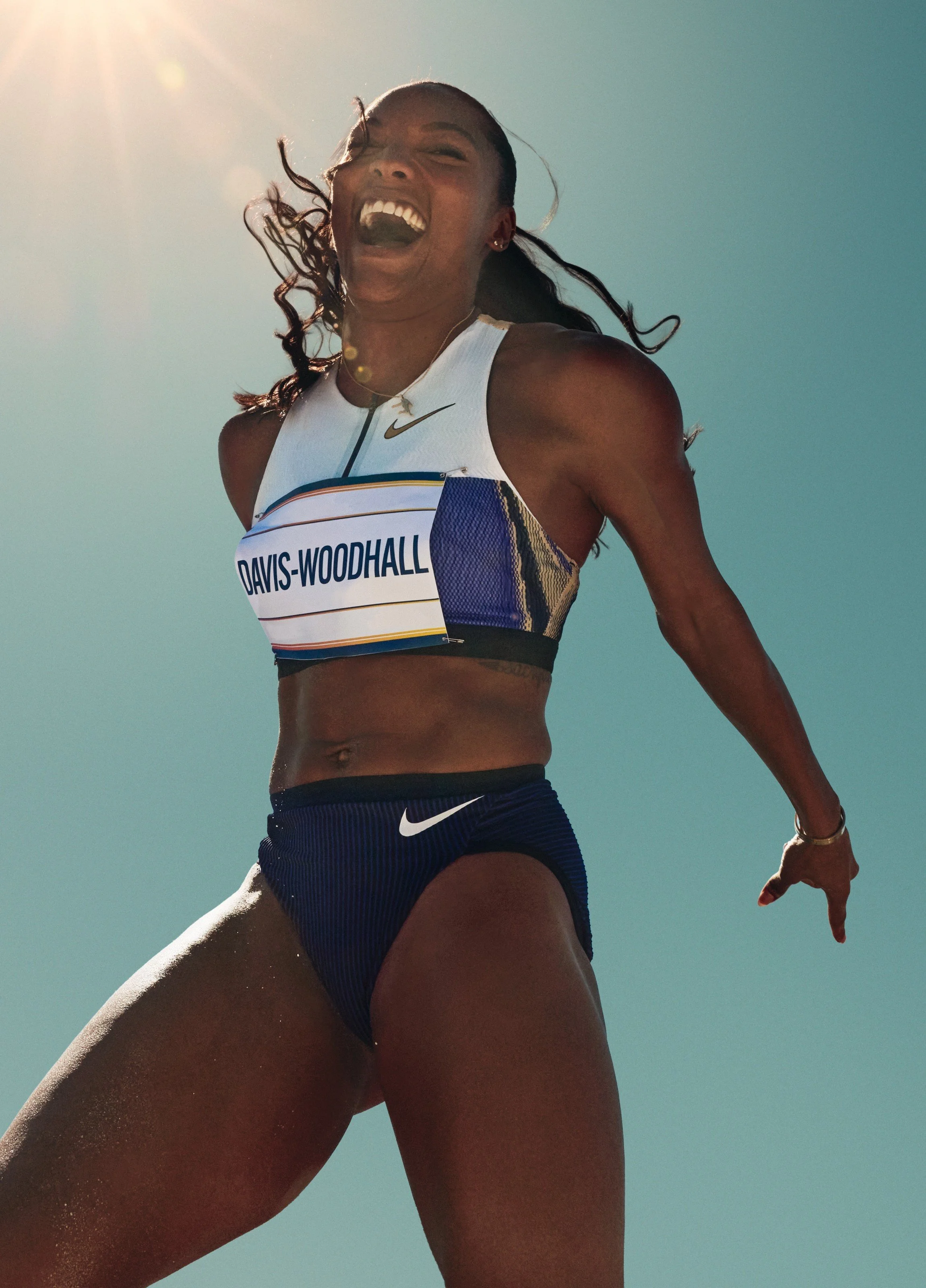
A slogan that became a movement. Launched in 1988, Nike’s “Just Do It” has become one of marketing’s most enduring campaign platforms. It’s short, forceful, and open-ended—something anyone, from elite athletes to first-time runners, can project their own story onto.
Case studies highlight a few core reasons it worked so well over decades:
The slogan is universal but deeply personal; it speaks to fear, self-doubt, and action in three words.
Nike consistently pairs it with emotionally charged storytelling like “Dream Crazy” and “Dream Crazier,” which spotlight underrepresented athletes and social issues instead of just products.
Across TV, social, and digital, the creative centers on human struggle and ambition, with the swoosh and product acting as supporting characters, not the main story.
Why it worked (and what you can copy):
”Nike proves that a clear brand POV + consistent storytelling can outlast any trend. On social, that means your campaign shouldn’t just chase memes; it should reinforce a core belief over and over. When your audience can summarize your brand in one line and it feels emotionally true, you’ve built a narrative people want to join.”
3. Jet2’s “Nothing Beats a Jet2 Holiday”
In a travel space flooded with glossy drone shots and picture-perfect beaches, Jet2’s “Nothing Beats a Jet2 Holiday” hit differently. Instead of hyper-polished fantasy, the campaign leaned into real holiday footage: families, couples, and friends laughing, dancing, splashing in pools, and enjoying ordinary-but-special moments.
On TikTok, the catchy “Nothing Beats a Jet2 Holiday” audio became a trend in itself, with users stitching their own clips to the sound, effectively turning everyday travelers into co-creators of the campaign. Jet2 capitalized on this quickly, embracing the meme energy instead of fighting it, and amplifying UGC rather than just pushing polished ads.
Why it worked (and what you can copy):
Jet2 focused on feeling, not fantasy. The campaign reminds us that the most powerful travel ads are about the people you’re with. If you center real humans, real reactions, and real use cases (especially in short-form video), your campaign becomes more relatable and shareable by default.
What These Campaigns Have in Common
Different industries, different formats, but Spotify, Nike, and Jet2 share a few core playbook moves that any brand can adapt:
They start with a human truth, not a product brief.
Spotify taps into identity and nostalgia. Nike taps into doubt and courage. Jet2 taps into the joy of shared experiences. The product is present, but the feeling leads.They design for participation.
Wrapped is built for screenshots and shares. “Just Do It” invites every person to write their own chapter under the same banner. Jet2’s TikToks became a template users could easily copy.They stay consistent across platforms while playing native.
Each campaign translates across channels without losing its core idea. The message stays the same, but the execution matches each platform’s behavior and culture.
Key Takeaways: How to Apply This to Your Next Campaign
If you’re planning your next big social push, here are three actionable ways to borrow from these wins:
Turn insights into stories.
Don’t let your data sit in a report. Turn it into personalized visuals, “year in review” moments, or community milestones your audience will be proud to share.Lead with a clear, repeatable idea.
Before you design a single asset, ask: Can this campaign be summed up in one line like “Just Do It” or “Nothing Beats a Jet2 Holiday”? If not, simplify until it can.Design for co-creation.
Build campaigns that welcome UGC, duets, stitches, or reaction content. The most powerful campaigns are the ones your audience helps finish, not just consume.
Want your next campaign to be viral and valuable? Download Near’s Trends Guide to get ahead of what’s shaping creator-led marketing and turn those insights into campaigns people remember, not just scroll past.
